Section 232 on robotics and industrial machinery: talks first, no new tariffs yet
A proclamation published Nov. 2 directs Commerce and USTR to negotiate with trading partners and report within 180 days. Tariffs, quotas, fees and an investment incentive stay on the table.
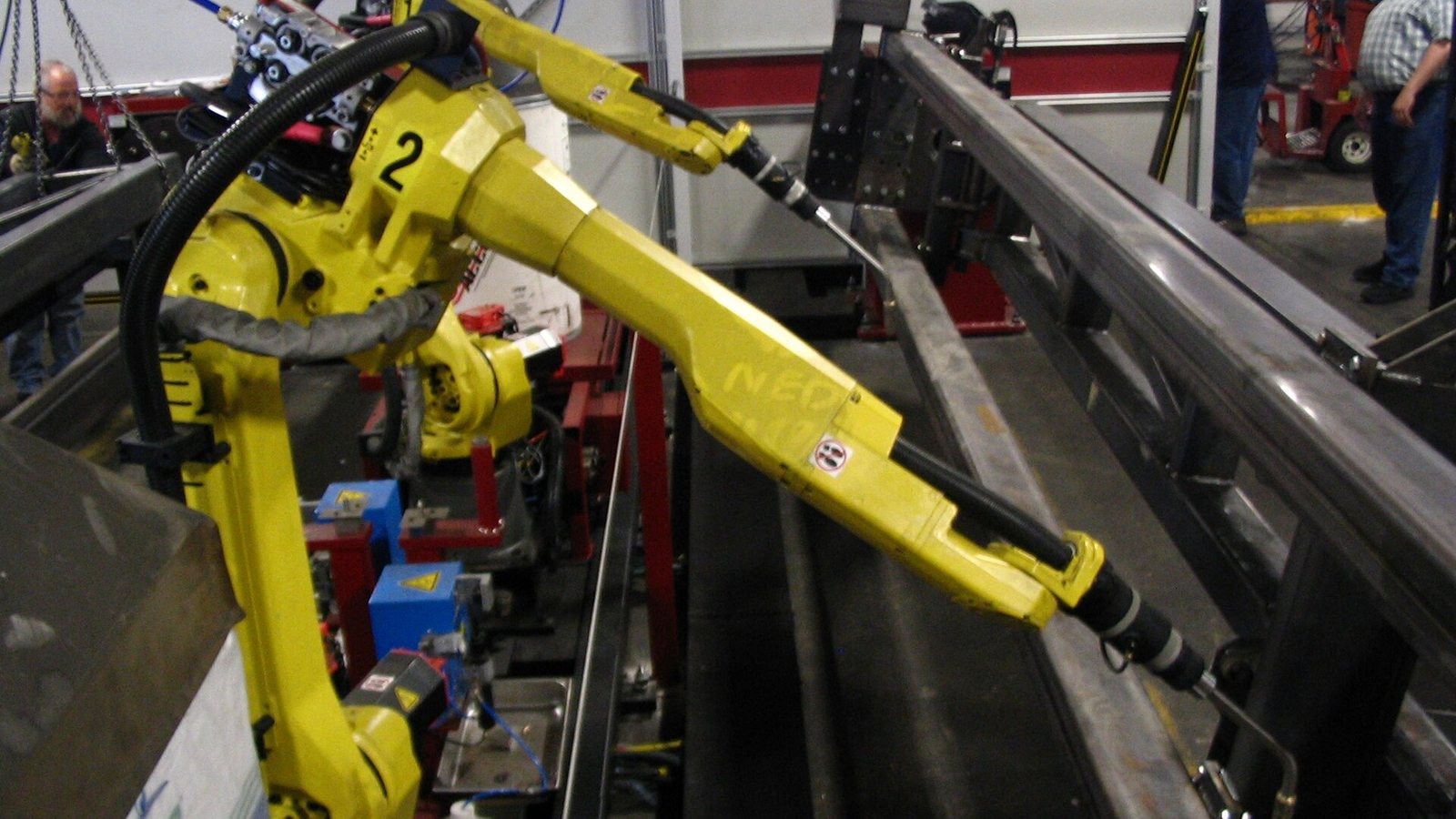
Importers of factory robots, industrial machinery and their parts got a reprieve, at least for now.
A presidential proclamation published in the Federal Register on Nov. 2 accepts the Commerce Department's Section 232 finding that these imports threaten to impair U.S. national security. But it does not impose tariffs. Instead, it orders negotiations.
What the proclamation does
- Negotiations. The Secretary of Commerce and the U.S. Trade Representative must jointly pursue agreements with trading partners they consider appropriate, or continue talks already under way.
- A 180-day check-in. They must update the President on progress within 180 days of the proclamation.
- Ongoing monitoring. Commerce will keep watching imports of robotics, industrial machinery and components and report any changes.
What could come later
Depending on how talks go, the proclamation says the President may consider other remedies. These include imposing or changing tariffs, duties, quotas and fees. They also include a program to encourage new investment in U.S. production of robotics, industrial machinery and their parts.
Section 232 also lets the President take other action if an agreement is not reached within 180 days, is not carried out, or does not work.
Why Commerce flagged the sector
According to the proclamation, Commerce found that robotics and industrial machinery make products and parts used in all 16 U.S. critical infrastructure sectors, and support defense production. It cites about $7.1 trillion in U.S. shipments of manufactured goods in 2024 and about $86 billion of equipment produced in 2024.
The proclamation says the value of these imports has grown over the last decade and is expected to keep rising. Commerce also found that equipment from certain foreign entities poses particular security and safety risks.
What it means for freight
For now, nothing changes at the border. Machinery and robot shipments move under existing duty rates. But the 180-day clock gives shippers and their customs brokers a window. Any deal reached with major suppliers, or any later move to tariffs or quotas, could change how much capital equipment comes in and when.
Shippers moving heavy equipment should note the six-month update date and watch for any agreements announced before then.