USTR extends all 178 Section 301 China tariff exclusions, but only to Jan. 9, 2027
The rollover, filed the day the exclusions lapsed, buys importers of covered machinery and solar equipment two more months while U.S. talks with China continue.
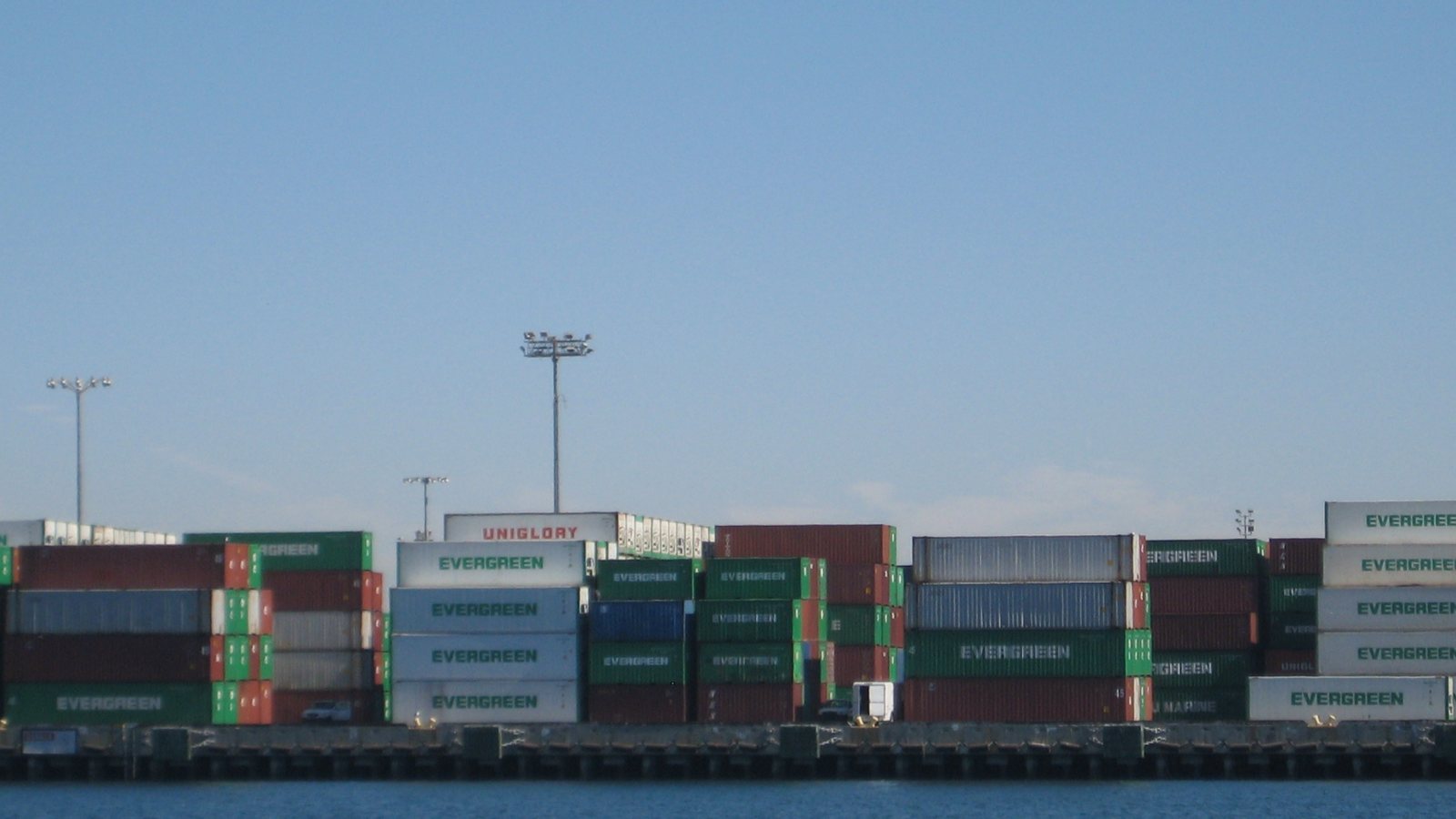
The Office of the U.S. Trade Representative has extended all 178 product exclusions that remain in force under the Section 301 tariffs on Chinese goods. The new end date is 11:59 p.m. eastern time on January 9, 2027, according to a notice filed at the Federal Register on November 9, 2026 and scheduled for publication on November 10.
The previous extension ran through November 9, 2026, so the notice closes what would otherwise have been a gap. The extension applies to goods entered for consumption, or withdrawn from warehouse for consumption, on or after 12:01 a.m. eastern time on November 10, 2026.
A short runway
The two-month term is much shorter than the nearly year-long extension that came out of the trade deal announced by the White House on November 1, 2025. USTR said it decided the extension was appropriate "in light of ongoing discussions with China," and that it may consider further extensions or other changes.
The notice also took into account public comments received after a September 16, 2025 request, advice from advisory committees and the interagency Section 301 Committee.
What is covered
The 178 exclusions are the survivors of a much larger list. Most Section 301 exclusions expired in 2019 and 2020. In May 2024, USTR kept 164 of the 429 reinstated and COVID-related exclusions it had reviewed. In September 2024 it added 14 exclusions for certain solar manufacturing equipment. The 178 have been rolled over several times since: to August 31, 2025, to November 29, 2025, and then to November 9, 2026.
The exclusions sit under HTSUS headings 9903.88.69 and 9903.88.70 and U.S. notes 20(vvv)(i) through (iv) and 20(www) to subchapter III of chapter 99. Each exclusion covers any product that matches its description, and its scope is set by the ten-digit HTSUS numbers and descriptions in those notes.
What importers should do
U.S. Customs and Border Protection will issue entry guidance and implementation instructions. Importers relying on these exclusions should plan for January 9 as the next deadline and watch for another USTR notice before then. USTR lists Deputy Assistant U.S. Trade Representative Philip Butler for general questions and CBP's trade remedy office for classification questions.