Bank of Canada raises key rate to 2.5%, citing fuel and transportation costs
The bank says high fuel prices are raising production and transportation costs, and its surveys point to more of those costs reaching customers over the next year. Its next decision is Dec. 9.
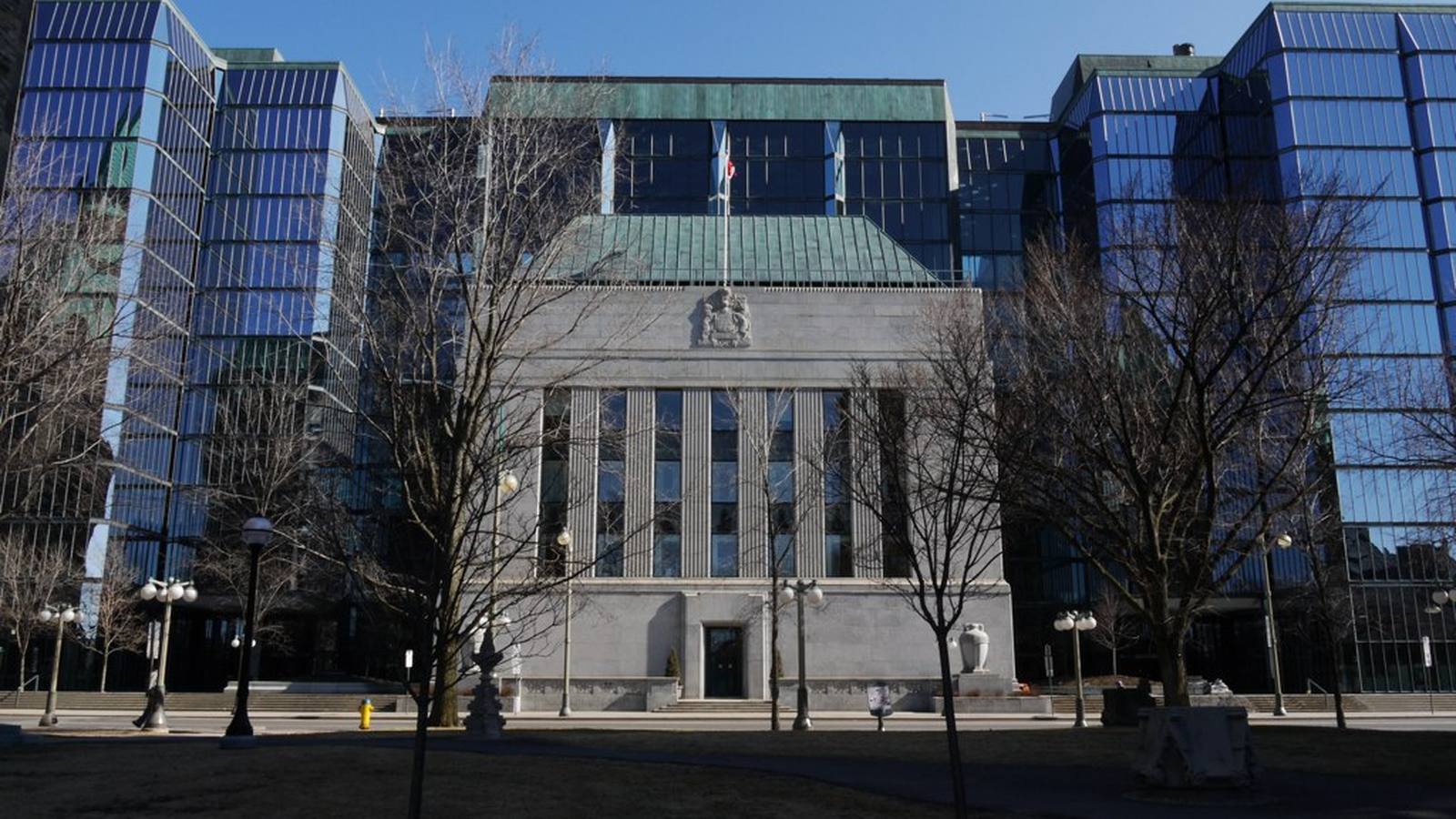
The Bank of Canada raised its overnight rate target by a quarter of a percentage point to 2.5% on Oct. 28, saying high energy prices are pushing up costs across the economy.
The Bank Rate is now 2.75%, and the deposit rate is 2.45%.
Fuel is the main concern
The bank said consumer price inflation has been around 3% since April because of persistently high oil prices, and it expects inflation to rise to about 3.5% by the end of the year.
Excluding gasoline, inflation was 2.2% in September. But the bank warned that cost pressures are building, "with high fuel prices raising the costs of production and transportation." Prices for imported industrial and electronics inputs have also risen.
Businesses have mostly absorbed higher input costs so far, the bank said, but its surveys suggest more of those costs will be passed on to customers over the next year.
The bank noted that the conflict in the Middle East is in its eighth month with no clear path to resolution. It now expects inflation to average 3% in 2027 and return to 2% in the middle of 2028.
Growth and trade
Canada's economy grew at a 3.3% rate in the second quarter, and the bank said recent indicators point to growth of about 2% in the third quarter.
The bank expects growth to slow in the fourth quarter because of new U.S. tariffs, then pick up again in 2027. It forecasts growth of 1% in 2026 and 2% in both 2027 and 2028, and said the outlook is still highly uncertain, particularly because of Canada-U.S. trade relations.
The bank said exports overall have strengthened despite weakness in sectors hit by U.S. tariffs, helped by strong U.S. demand, higher energy production and signs that businesses are adapting to the new trade environment. It said the Canadian dollar was trading around 71 U.S. cents.
What it means for carriers
For Canadian fleets, the decision means higher borrowing costs on variable-rate loans and equipment financing. The bank said there could be a need to raise rates further but that it would "proceed carefully."
Its next scheduled rate announcement is Dec. 9.