Seattle-Tacoma full imports jump 13.1% in October as cargo shifts from congested ports
The Northwest Seaport Alliance handled 235,210 TEUs in the month, up 0.5%, and says auto volumes are getting a lift from units diverted from Canada.
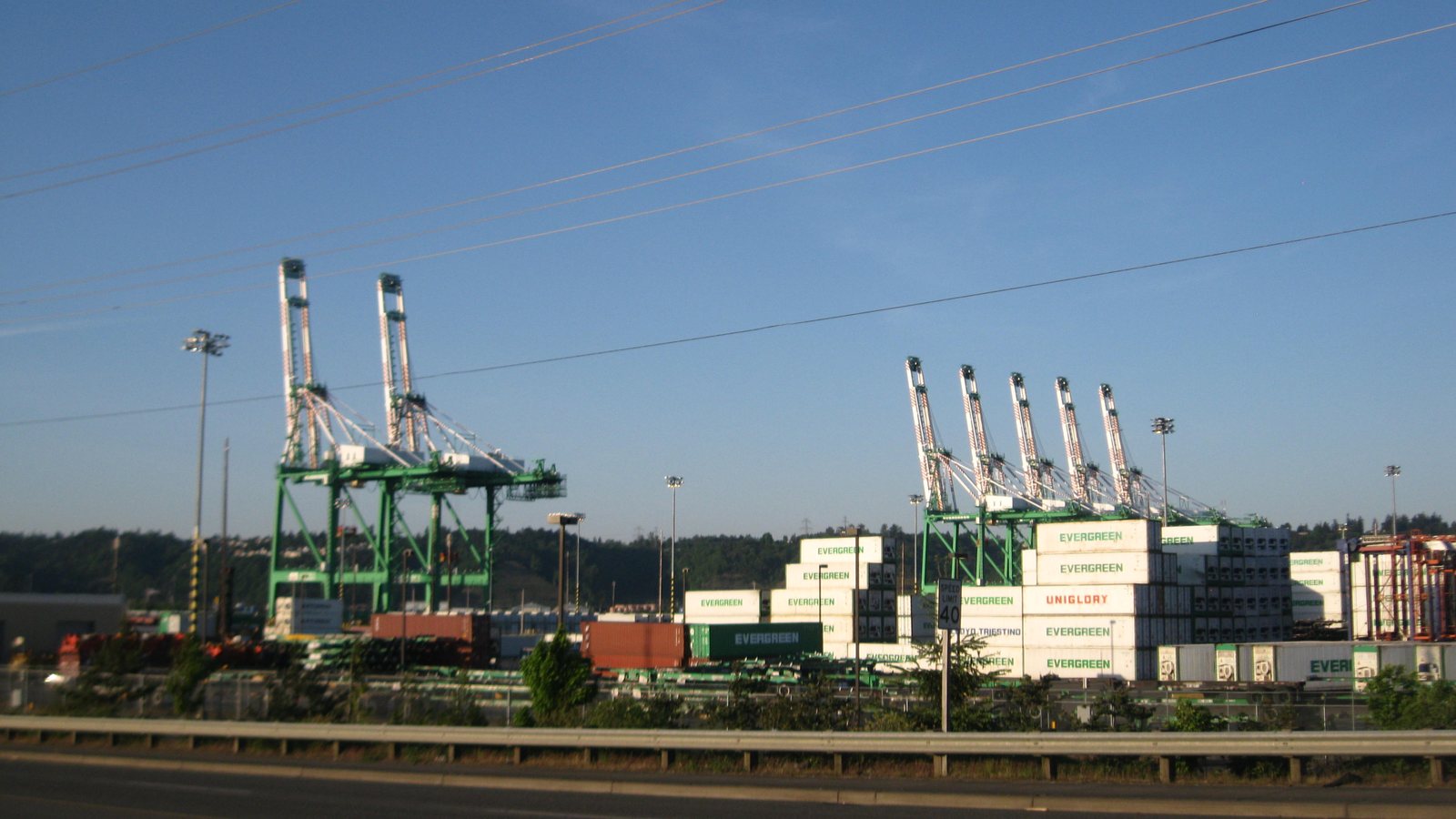
Loaded imports through the Northwest Seaport Alliance (NWSA), the joint cargo operation of the ports of Seattle and Tacoma, rose 13.1% in October from a year earlier, the alliance said on Nov. 17.
NWSA credited three things for the strong import month: a reliable berth window, what it calls the West Coast's lowest rail dwell time, and cargo diverted to the Pacific Northwest because of ongoing congestion at other ports.
The October numbers
- Total volumes, international and domestic: 235,210 twenty-foot equivalent units (TEUs), up 0.5% from October 2025
- Full imports: up 13.1% year over year
- Year-to-date volumes: 2,409,441 TEUs
The stronger month has not yet erased a weaker year. Year to date, full imports are down 10.1% and full exports are down 2.8%, NWSA said. Domestic container volumes, which cover trade with Alaska and Hawaii, are down 0.4% for the year, with Alaska up 0.6% and Hawaii down 5.4%. Detailed figures are in the alliance's October container statistics.
Autos and breakbulk
- Breakbulk: 345,075 metric tons year to date, up 12.2%, which NWSA tied to strong industrial demand
- Autos: 224,416 units year to date, down 2.2%
NWSA said the tariff impact on auto volumes is being offset by more auto units diverted from Canada because of congestion. The release does not say which Canadian gateways the units came from or how many there were.
Terminal investment
NWSA also pointed to new money for Washington United Terminals (WUT) in Tacoma:
- An $11.4 million Port Infrastructure Development Program grant to upgrade mooring bollards for larger container ships and build concrete runways for rubber-tired gantry cranes
- A major investment announced by HMM that would lift the terminal's handling capacity from about 590,000 TEUs to 880,000 TEUs, including two replacement cranes and two new rubber-tired gantry cranes, with equipment expected to be delivered and commissioned by 2028
- $2 million announced earlier in the year for berth deepening at WUT and Husky Terminal
For drayage and intermodal carriers in the region, the October pattern points to more inbound boxes moving off the docks even as total volume is roughly flat.